https://www.nationalgeographic.com/environment/global-warming/global-warming-real/
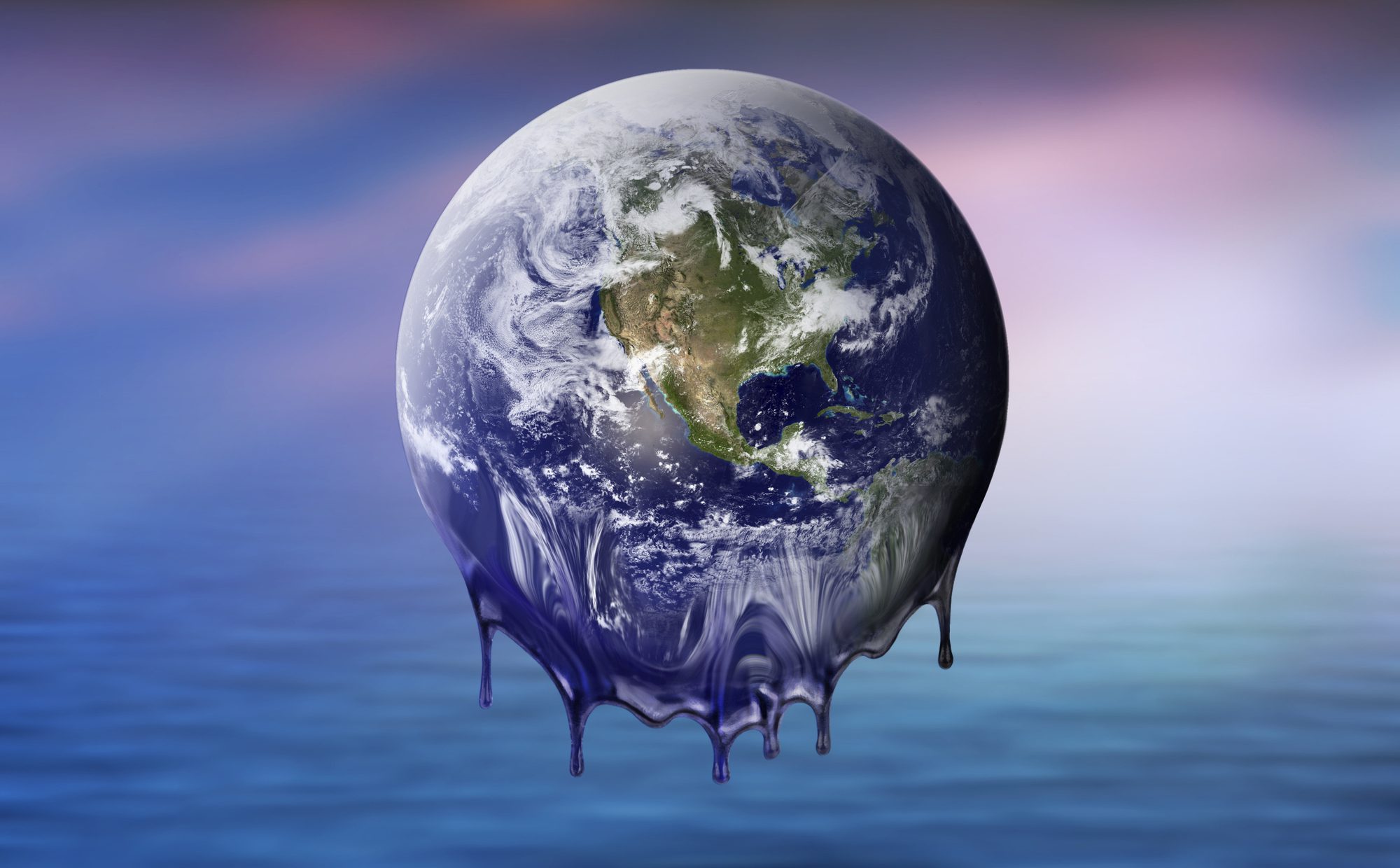
This week in sociology we discussed the environment. Specifically, on page 469 of the textbook it discusses greenhouse gasses, global warming, and climate change. Although it is “common knowledge” that global warming and climate change are effecting our planet, there are numerous people that deny this phenomena.
The greenhouse effect is the process by which the increased production of greenhouse gases, especially those arising from human activity, cause changes to the Earth’s atmosphere. These gases pollute the ozone and cause global warming: the gradual increase in the earth’s temperature. Global warming’s effects primarily include climate change: the increase in extreme weather patterns (droughts, hurricanes, etc.).
According to this article by National Geographic the overall temperature of this planet has only risen about 1% in the past century and a half. However, based on the evidence presented by researchers analyzing average temperatures all over the world, there is an undeniable upward trend in the world’s temperatures.
The article goes on to explain that there are other ways to determine climate change, without knowing the Earth’s temperature. For example, trees grow thicker and more rings each year. On the warmer and wetter years, the rings are thicker. Sediment found in the ocean can also help explain climate change. By sticking hollow tubes into the ocean floor, scientists can determine what particles were in the water, and possibly in the air, many years ago. The layers of sediment can show progressively, what was introduced to the air and water and when. Also, by sampling deep sheets of ice from the arctic can tell scientists what was in the air many years ago. The air bubbles trapped in the ice are actually tiny pockets of what the atmosphere was like back then, which is how we know the pollution rates rose significantly during the Industrial Revolution.
To the people that still deny climate change and global warming: “nothing other than the rapid rise of greenhouse gas emissions from human activity can fully explain the dramatic and relatively recent rise in global average temperatures” – said National Geographic itself. It’s time we start focusing on ways to prolong the life of our planet.
An ecological footprint is an estimation of the land and water area required to produce all the goods an individual consumes and to assimilate all the waste an individual generates (Ferris and Stein 477). If we all took just a few active steps to reduce our ecological footprint, like recycling, or taking shorter showers, we would be one step closer in fighting climate change and preserving our planet.
Word Count: 421



 The Buzz